Creole cooking in the Seychelles grows out of island life. It reflects the rhythm of the sea, the mix of cultures that shaped the country and the habit of sharing meals with friends and neighbours. Travellers often arrive knowing little about the food, then end up talking about dishes long after their holiday ends. This guide brings you into the flavours, the stories and the places where you can taste the island’s most beloved meals.
How Creole Cooking Took Shape
Seychellois cuisine blends African, French, Indian and Chinese influences. Fishermen supplied fresh catches each morning. Families built gardens for herbs and small crops. Traders brought spices, rice and new cooking ideas. Over time these elements settled into a simple style that focuses on freshness and balanced flavours. Coconut milk, garlic, ginger, coriander, chilli and lime appear often. Most dishes are not fiery, although every table carries a small pot of homemade chilli sauce for extra heat.
Meals often feel informal. Families gather around big pots of curry or grilled fish, usually served with rice, lentils and salad. Restaurants and takeaways follow the same structure, so it is easy for travellers to start understanding the food even on a short trip.
Octopus Curry
Octopus curry is one of the most loved dishes in the Seychelles. The octopus is simmered slowly until tender, then cooked with coconut milk, curry leaves, garlic and a mix of mild spices. Each cook has personal preferences. Some add cinnamon leaf for aroma, others add a small amount of masala. The result is rich without being heavy.
Visitors often try it first in small beachside restaurants where the curry comes in generous portions. If you order it at a takeaway, expect a simple plate with rice, salad and lentils. The flavour changes slightly across the islands depending on local cooks. It is worth trying more than one version.
Grilled Fish With Creole Sauce
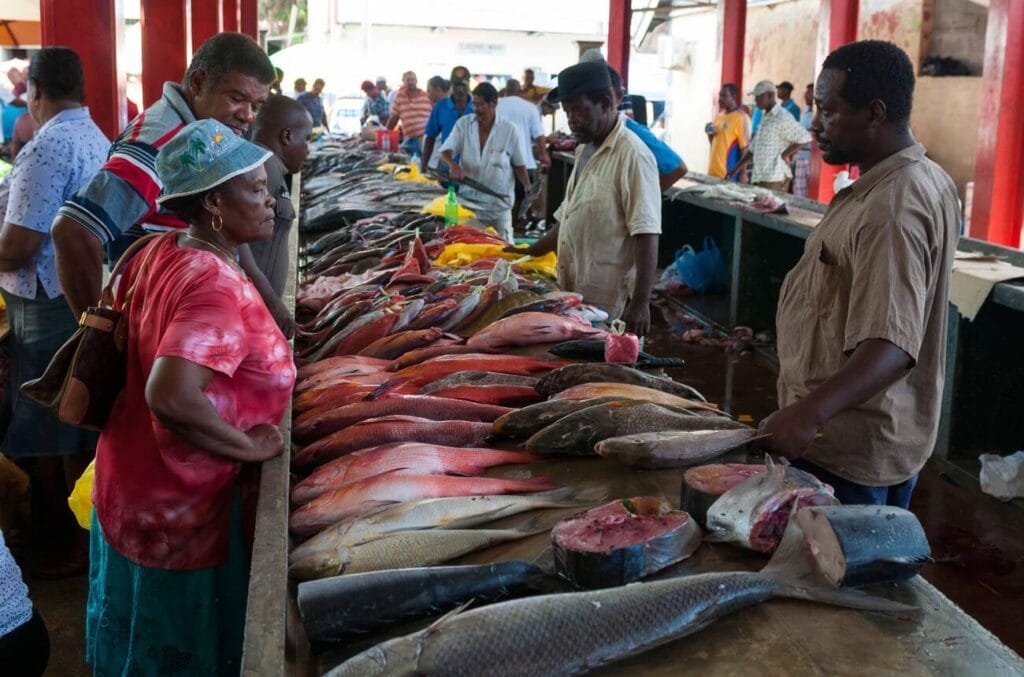
The Seychelles has abundant fish. Red snapper, jobfish and barracuda appear often on menus. Fish is seasoned with salt, pepper, a squeeze of lime and sometimes crushed garlic, then oftentimes grilled over charcoal. The smoky edge pairs well with Creole sauce made from tomatoes, onions, green peppers and herbs.
In many restaurants the fish is served whole. It arrives with charred skin and soft, fragrant flesh. This is a staple meal for locals and one of the easiest ways to appreciate the islands’ connection to the sea.
Shark Chutney
Shark chutney is a dish that surprises visitors with its mild taste. The shark meat is boiled, shredded and mixed with lime, turmeric, ginger and cooked green papaya. The final texture is soft and slightly crumbly. It is often served as a side dish rather than a main plate. Years ago it was a common homemade meal, especially during family gatherings. Today restaurants feature it as a traditional speciality for travellers.
Some cooks use smoked fish instead of shark. The flavour becomes stronger and pairs well with rice and a spoonful of chilli sauce.
Ladob Savoury and Sweet
Ladob appears in two forms. Savoury ladob uses breadfruit, cassava or plantain cooked with coconut milk, garlic and a pinch of salt. It pairs well with fish and curries. Sweet ladob is a dessert made with ripe plantain, sweet potato or cassava simmered in coconut milk with sugar and vanilla. The creamy texture makes it comforting and familiar, even for travellers tasting it for the first time.
Sweet ladob often appears at family events and religious celebrations. Many visitors discover it in small cafés or at hotel buffets. It gives a gentle, satisfying end to a meal.
Breadfruit Dishes and Island Staples
Breadfruit is a central ingredient in Seychellois cooking. It grows easily across the islands and appears in many forms. Slices can be boiled, fried or roasted. Breadfruit chips are common in takeaway shops and pair well with grilled fish.
In some homes you will find breadfruit mashed with coconut milk to create a soft, smooth side dish. Travellers who enjoy trying local variations often fall in love with the flavour because it carries both sweetness and earthiness.
Rice and lentils remain daily staples. The lentils are usually cooked with onion, garlic and a bit of curry powder. They bring a warm base to plates filled with fish or curries. These simple elements show how the cuisine leans toward comfort and balance.
Chutneys, Pickles and Flavour Boosters
Many meals include small portions of chutney or pickled vegetables. Green papaya chutney is common, made with grated papaya, lime, onion and chilli. Coconut chutney offers a sweeter, creamier taste. Pickled chilli and pickled lime appear in glass jars in shops around the islands. These additions give each person control over the heat and brightness of the meal.
For travellers, these small sides offer an easy way to explore new flavours without feeling overwhelmed. Sampling different chutneys becomes a simple part of daily eating.
Street Food and Takeaway Culture
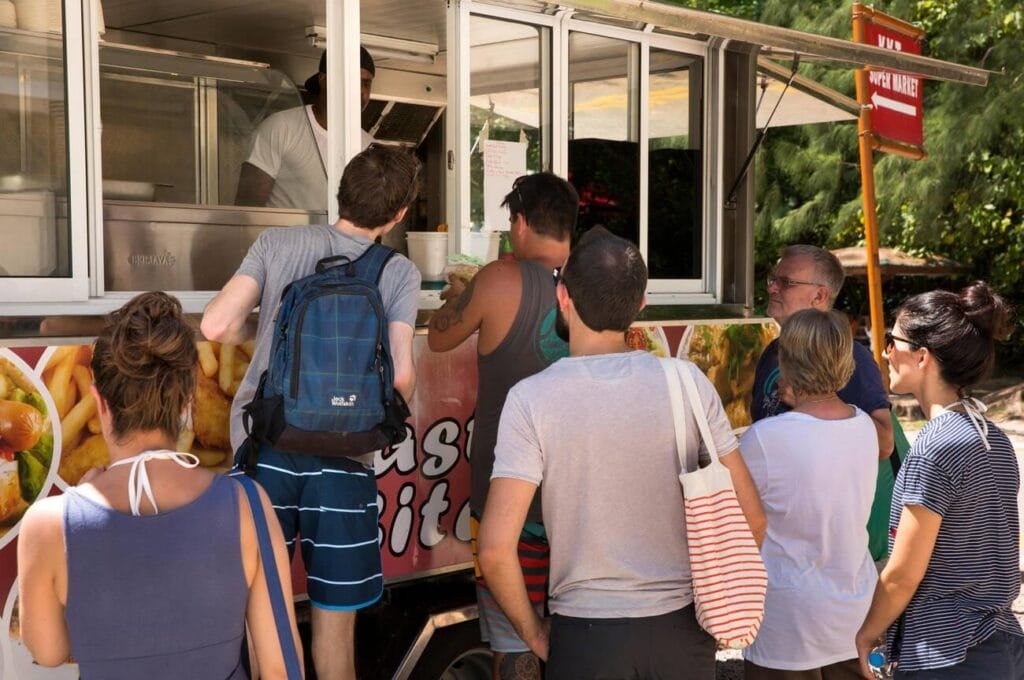
Takeaways are essential to the Seychelles food scene. They often look modest, with handwritten menus and open fronts. Prices stay affordable compared to restaurants. Portions are large and always include rice and salad. Many travellers find their favourite meals at these small spots.
Common options include grilled fish, chicken curry, fried noodles, vegetable stir fry and fish stew. At lunchtime lines can be long, especially near schools and offices. The atmosphere feels friendly and casual. If you want a quick, authentic experience, takeaways offer some of the island’s best food.
Street snacks add to the picture. Vendors sell banana fritters, cassava chips and coconut nougat at markets. Fresh fruit smoothies appear along popular beaches. During festival periods you may see stalls with barbequed skewers or sugar coated dough balls.
Creole Breakfast Traditions
Mornings often begin with tea, bread and local jam. On weekends or special occasions, families prepare more elaborate plates with fried fish, omelettes with chilli and boiled plantain. Travellers who enjoy hearty breakfasts often appreciate the mixture of sweet and savoury choices.
Some hotels serve porridge made with coconut milk, which gives a rich, comforting flavour. Market stalls offer fresh fruit and warm pastries. Breakfast is a good time to see local life, especially in quieter areas where families gather before work.
Where Travellers Can Taste These Dishes
Restaurants across Mahé, Praslin and La Digue feature Creole classics. Beachside grills offer the freshest fish. Small family run places often serve the most memorable curries. Resort restaurants present refined versions with creative touches.
Markets remain essential for anyone who enjoys exploring ingredients. The market in Victoria is the best place to see spices, fresh fish and local produce in one lively setting. Many shoppers buy fruit and snacks here before heading to the beach or trails.
Takeaways offer convenience and low prices. They also give travellers a chance to eat among locals. If you ask for recommendations, residents will often point you to their preferred places.
How to Order and What to Expect
Portions in the Seychelles are generous. Most plates come with rice, lentils and salad. If you see the option for grilled fish, it usually means a whole fish unless stated otherwise. Curries come in deep bowls and have a mild level of spice unless you add chilli.
Drinks include fresh juices, lime soda and local beer. Coconut water is available at markets and beach stalls. If you want to explore local desserts, look for sweet ladob, banana fritters or coconut based sweets in small shops.
Finding Vegetarian and Vegan Options
Vegetarian travellers can find many choices. Vegetable curries, lentils, stir fried noodles and salads appear in most takeaways and restaurants. Coconut milk dishes provide richness without meat. Vegan travellers can enjoy fruit platters, vegetable curry, breadfruit dishes and plain grilled vegetables. It helps to ask staff for details if you have dietary restrictions. Most cooks are happy to adapt a dish when possible.
A Practical Approach to Exploring Creole Food
Travellers enjoy the cuisine most when they try a mix of experiences. One night in a relaxed beach restaurant, another in a simple takeaway, and perhaps a market visit for snacks. This approach helps you understand how food fits into daily Seychellois life.
If you enjoy cooking, markets sell spices and dried herbs that pack easily in luggage. Many visitors bring back cinnamon sticks, vanilla and locally grown pepper. These items offer familiar aromas long after the holiday ends.
What Creole Food Reveals Once You’ve Tasted It for Yourself
Creole cuisine in the Seychelles is built around generosity, simplicity and the close relationship between people and nature. Each dish carries a piece of island culture. By tasting a variety of meals, travellers discover flavours that stay in the memory. The islands offer fresh seafood, balanced spices, comforting staples and warm hospitality that turns each meal into a small story of its own.