Food & Drink
There are no results matching your search
There are no results matching your search
Seychellois food has always carried the character of the islands. Flavours come from the sea, gardens, spice trees and long-standing cultural blends that link Africa, Asia and Europe. In recent years, a new movement has begun to grow across Mahé, Praslin and La Digue. Young chefs, independent restaurateurs and small food businesses are shaping a modern version of Creole cuisine. Their work respects tradition but brings new ideas, seasonal awareness and a stronger focus on sustainability. This feature explores that rising wave and the people guiding it forward.
A New Energy in Island Kitchens
The past decade has seen a steady shift in the culinary landscape. Chefs have started looking at local ingredients with fresh eyes. They experiment with plating, refine old recipes and draw inspiration from global techniques while keeping flavours rooted in Creole identity. This change feels natural rather than forced. The ingredients remain familiar. The approach becomes more thoughtful.
Many chefs talk about growing up with dishes that felt lovingly repetitive. Now they want to highlight the complexity hidden inside those dishes. Pickled fruits, grilled fish, coconut curries and spice blends gain new expression through lighter preparations and creative pairings. The movement feels confident without straying too far from home.
Influence of Young Chefs and Returnees
Some of the most exciting developments come from Seychellois chefs who trained abroad and returned with broadened perspectives. Experiences in Europe, South Africa and Asia exposed them to different ways of working with seafood, vegetables and spices. They learned finer techniques, sustainability practices and careful attention to seasonal cooking.
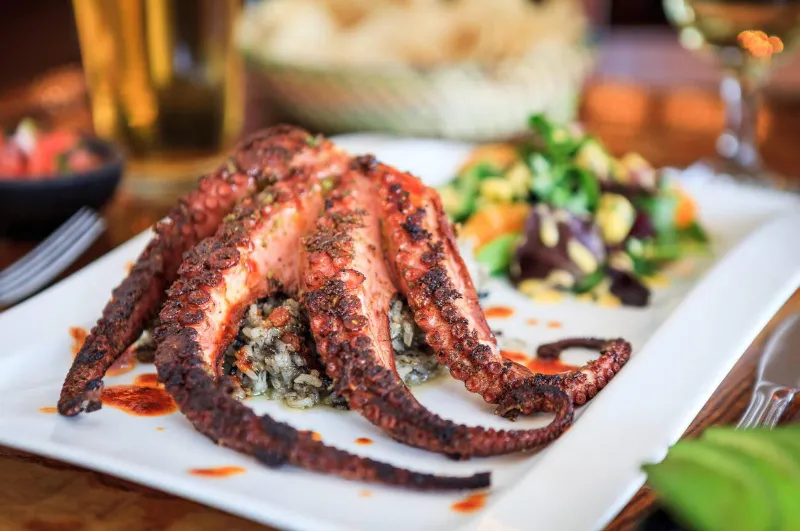
On returning home, they found that the local palette of ingredients offered huge potential. Fresh tuna, jobfish, snapper and octopus can be prepared in far more varied ways than the classic grills and curries. Breadfruit, pumpkin and green papaya can take centre stage rather than supporting roles. Herbs and spices grown in backyard gardens or small farms provide immediate character.
This new generation mixes pride in heritage with willingness to adapt. Their menus change more frequently. Their kitchens communicate closely with farmers and fishermen. Their dining rooms set a tone that is relaxed, refined and unmistakably Seychellois.
Respecting Tradition While Refreshing It
The heart of Creole cooking remains untouched. Slow cooking, home style comfort and generous flavours stay firmly in place. What changes is the balance. Modern chefs season with a lighter hand, combine ingredients in new ways and embrace techniques like curing, fermenting and gentle smoking. These methods enhance flavour rather than hiding it.
Octopus curry becomes a delicate stew with layered spices and fresher aromatics. Grilled fish may be served with pickled vegetables that brighten the plate. Breadfruit is roasted, pressed or mashed into new textures. Chutneys once served in jars now appear as concentrated dots or spreads that still carry the same punch.
These adjustments are not about elevating Creole cuisine to something more formal. They give it new life while keeping it close to its cultural roots.
Sustainability at the Center
Another strong force behind the modern movement is sustainability. The Seychelles depends on its marine life and fragile ecosystems. Chefs now recognise the responsibility they carry in shaping sourcing habits.
Some restaurants work directly with small scale fishermen who use traditional methods. They buy what the sea offers on a given morning instead of requesting specific species. This keeps menus flexible and reduces pressure on vulnerable fish populations.
Farmers on Mahé and Praslin supply more fresh produce than ever before. Leafy greens, herbs, tomatoes, pumpkins and aubergines appear in kitchens throughout the islands. Chefs use these ingredients in thoughtful ways, reducing waste through fermenting, pickling and drying. Even fruit skins and vegetable trimmings become useful parts of broths or infused oils.
Guests feel the impact of this approach. Meals taste cleaner. Plates feel more connected to the environment. Storytelling becomes part of the dining experience, with staff explaining where ingredients came from and how they were prepared.
Creative Street Food and Casual Innovation
Modern Seychellois cuisine is not limited to fine dining. It is also transforming street food and casual eating. Food trucks and small stalls have begun introducing playful versions of classic dishes. Bao buns filled with Creole spiced fish, coconut infused flatbreads, chilli sauces made from local peppers and small plates built for sharing all appear in these lively spaces.
These vendors carry youthful energy. They use social media to announce specials, collaborate with local farmers and bring fresh ideas into daily routines. Their prices remain accessible, making modern cuisine part of everyday life instead of something reserved for visitors or special occasions.
The casual scene also encourages experimentation. Vendors can test new flavours quickly and refine them through real time feedback from regular customers. This keeps the movement dynamic and responsive.
The Growth of Farm to Table Experiences
Across the islands, a few farms and eco lodges have begun hosting farm to table meals. These experiences showcase local produce at its freshest. Guests walk through gardens, learn about crops and sit down to meals that highlight simple ingredients prepared with care.
Farm owners and chefs explain how soil quality, rainfall and microclimates influence flavour. Herbs picked minutes before cooking taste noticeably brighter. Pumpkins and yams grown in shaded areas develop natural sweetness. These meals demonstrate how important local agriculture is to the future of Seychellois cuisine.
Farm to table dining also builds relationships between growers and chefs. This collaboration strengthens the food community and helps preserve agricultural traditions.
Desserts with Island Flair
Seychellois desserts have always leaned toward fruit, coconut and rich spices. Modern chefs are taking these foundations and presenting them in new ways. Coconut cakes appear with lighter textures. Pineapple is grilled, caramelised or paired with ginger. Vanilla, one of the country’s treasured ingredients, finds its way into delicate creams, custards and cold desserts.
Many chefs also revisit traditional sweets like ladob. Instead of serving it as a heavy, sweet mixture of coconut milk and fruit, they may offer a lighter interpretation with balanced sweetness and refined textures. These changes introduce variety while maintaining a sense of familiarity.
The Role of Cocktail Culture
Cocktails add another dimension to the rising wave. Bartenders across the islands blend rum, fresh herbs, citrus and seasonal fruits in imaginative ways. The cocktail scene complements modern food by showcasing local ingredients in liquid form.
Passionfruit, banana, lemongrass, basil and mint appear frequently. Some bars experiment with infusions made from vanilla pods, cinnamon bark or dried fruit. The drinks remain casual but carry a clear sense of place. They strengthen the connection between diners and the landscape around them.
Community Events and Culinary Festivals
Food festivals and community events also help modern Seychellois cuisine flourish. These gatherings bring home cooks, chefs, farmers and visitors into one space. Cooking demonstrations highlight both traditional and contemporary methods. Tasting stalls allow people to sample new dishes. Music and arts blend with the food, creating a full cultural experience.
Such events inspire collaboration. Chefs meet farmers they have not worked with before. Vendors share ideas. Young cooks find mentors. These relationships fuel the movement’s growth and encourage innovation.
Dining Spaces that Reflect the Islands
Modern Seychellois restaurants pay careful attention to setting. Many choose open air layouts, natural materials and gentle lighting. They avoid flashy design in favour of simplicity that aligns with the environment.
Some sit in restored Creole houses. Others open near quiet beaches or forested hillsides. The surroundings shape how meals unfold. Guests linger longer. Conversations feel relaxed. The design supports the idea that good food is part of a wider experience that includes nature, culture and community.
How Travellers Can Explore the Modern Scene
Visitors who want to experience this culinary movement can follow a few simple pointers.
Ask about the source of ingredients. Staff usually share detailed stories.
Try a mix of classic and modern dishes. It gives a fuller picture of local food.
Visit small cafés and food trucks as well as restaurants. They show different sides of the movement.
Support sustainable options. Many chefs and vendors rely on responsible sourcing.
Exploring the modern scene becomes a journey through creativity and tradition woven together.
A New Chapter for Creole Cuisine
Modern Seychellois cuisine is not replacing the old. It builds upon it with attention, imagination and confidence. The flavours remain grounded in everyday island life. The techniques evolve. The people behind the stoves push boundaries gently, guided by respect for the ingredients and the culture that shaped them.
This rising wave brings pride to the islands. It opens doors for young chefs, strengthens local agriculture and gives travellers a deeper understanding of Seychellois identity. As the movement continues to grow, it promises a future where Creole cuisine receives global recognition without losing its roots.
There are no results matching your search
There are no results matching your search
There are no results matching your search